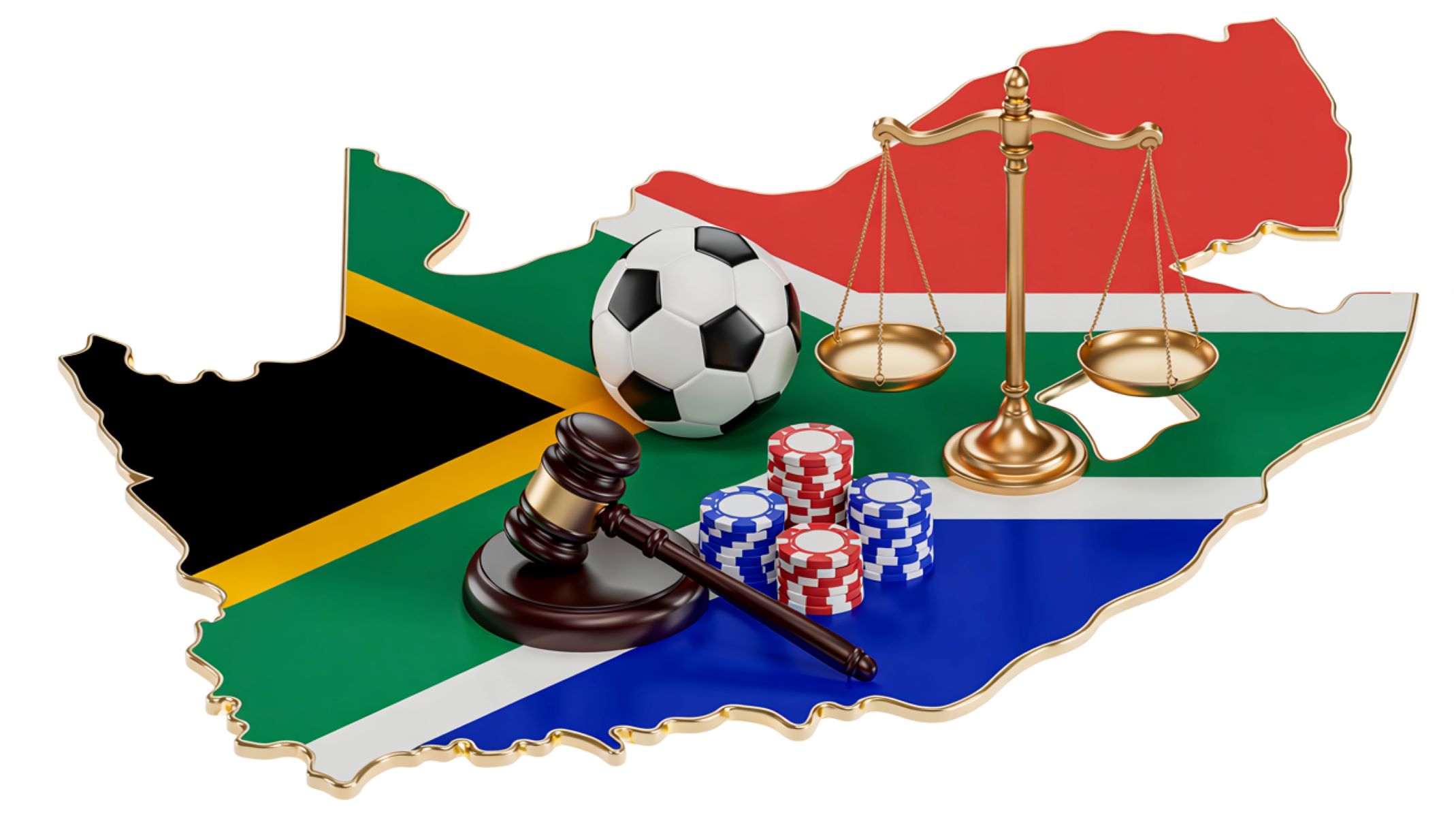
Gambling in South Africa is a multi-layered affair, where the national government and the provinces each play distinct roles. Have you ever wondered how gambling laws work in South Africa? Why are some games allowed in some places and banned in others? Well, that’s because of the legal framework governing provincial gambling. South Africa’s gambling landscape is unique because it balances national legislation with provincial autonomy. This means that while there are overarching laws, each province can regulate gambling activities differently. This article dives deep into the legal framework of provincial gambling in South Africa, breaking it down into digestible parts so you get the full picture.
Understanding Gambling Regulation in South Africa
Gambling regulation in South Africa operates through a shared responsibility between the national government and the individual provinces. This means that while the national government sets broad policies and overarching laws to guide the industry, each province has the authority to license and regulate gambling activities within its own borders. This division of power creates a unique and sometimes complex legal landscape where gambling laws and regulations can differ significantly from one province to another. Such a system allows provinces to adapt gambling policies to their local economic, social, and cultural contexts, but it also demands coordination to ensure fairness and compliance across the country.
At the center of South Africa’s gambling regulatory framework is the National Gambling Act (NGA) 7 of 2004. This Act was introduced to establish national standards for the gambling industry, promoting a consistent and responsible approach across the country. It also aims to create a uniform regulatory environment that protects players and operators while minimizing illegal gambling activities. One of the key features of the Act is the establishment of the National Gambling Board (NGB), a body tasked with overseeing gambling regulation nationwide and providing guidance to provincial regulators.
Despite these national standards, the National Gambling Act clearly allows provinces to exercise significant autonomy by creating their own gambling legislation and regulatory bodies. This flexibility means that each province can develop rules and licensing frameworks that address their specific needs and challenges. For instance, some provinces might focus heavily on casino gambling while others emphasize sports betting or limited payout machines. This autonomy encourages innovation and local control but also leads to variations in how gambling is managed throughout the country.
This dual regulatory structure creates a fascinating dynamic in South Africa’s gambling environment. On one hand, it ensures that gambling activities are overseen with national coherence and accountability. On the other hand, it permits provinces to customize their approach to gambling regulation, balancing economic benefits with social responsibility. Understanding this relationship between national guidelines and provincial powers is essential for anyone involved in or studying South Africa’s gambling industry, as it explains why gambling laws can look quite different depending on where you are in the country.
Provincial Gambling Authorities: Who Are They?
| Province | Regulatory Authority | Key Role | Year Established | Notable Responsibilities |
| Gauteng | Gauteng Gambling Board (GGB) | Regulates all gambling activities in Gauteng | 1995 | Licensing casinos, betting operators, and limited payout machines; enforcing compliance and consumer protection |
| Western Cape | Western Cape Gambling & Racing Board | Manages gambling and horse racing in the province | 1996 | Regulates casinos, horse racing, and betting; promotes responsible gambling programs |
| KwaZulu-Natal | KwaZulu-Natal Gambling Board | Controls gambling activities across KwaZulu-Natal | 2010 | Licensing betting and gaming operations; monitoring industry integrity and preventing illegal gambling |
| Eastern Cape | Eastern Cape Gambling & Betting Board | Oversees gambling licenses and regulation | Early 2000s | Licensing limited payout machines, betting operators; addressing social impacts of gambling |
| Northern Cape | Northern Cape Gambling Board | Regulates gambling within Northern Cape province | Early 2000s | Licensing casinos and gaming establishments; enforcement and compliance monitoring |
| Free State | Free State Gambling & Liquor Authority | Regulates gambling and liquor in Free State | 2000 | Licensing casinos, bookmakers; enforcement of provincial gambling laws |
| Mpumalanga | Mpumalanga Gambling Board | Manages gambling activities within Mpumalanga | Early 2000s | Licensing, regulation, and enforcement across various gambling sectors |
Provincial Gambling Legislation
South Africa’s Constitution empowers each province with the authority to regulate gambling activities within its borders. This decentralization is crucial because it allows provinces to tailor gambling laws and policies that reflect their unique cultural, economic, and social environments. Provinces can implement licensing systems that suit their local markets and enforce gambling regulations that address region-specific challenges, such as preventing illegal gambling or promoting responsible play. This flexibility is essential in a country as diverse as South Africa, where one-size-fits-all solutions rarely work effectively.
- Gauteng Gambling Act 4 of 1995: This Act governs all gambling activities within Gauteng province, outlining the licensing procedures for casinos, bookmakers, and limited payout machines. It establishes the Gauteng Gambling Board as the regulatory authority responsible for oversight and enforcement. The Act also contains provisions related to social responsibility and combating illegal gambling.
- Western Cape Gambling and Racing Act 4 of 1996: This legislation regulates both gambling and horse racing in the Western Cape. It defines the licensing framework for casinos, betting outlets, and racing operators. The Act empowers the Western Cape Gambling & Racing Board to supervise operators, ensure compliance, and promote responsible gambling initiatives.
- KwaZulu-Natal Gambling Act 9 of 2010: This Act provides the legal foundation for gambling regulation in KwaZulu-Natal. It sets out licensing rules for casinos, betting operators, and limited payout machines. The Act also establishes the KwaZulu-Natal Gambling Board, which manages regulatory oversight, licensing, and enforcement, with a strong focus on integrity and consumer protection.
- Eastern Cape Gambling and Betting Act: Enacted in the early 2000s, this Act regulates gambling and betting activities within the Eastern Cape province. It sets licensing requirements for betting operators and limited payout machines and defines the powers of the Eastern Cape Gambling & Betting Board to oversee the industry and address illegal gambling.
- Northern Cape Gambling Act: This provincial legislation governs gambling within the Northern Cape and provides the framework for licensing casinos, bookmakers, and gaming machines. The Northern Cape Gambling Board is charged with enforcement, licensing, and promoting responsible gambling under this Act.
- Free State Gambling and Liquor Act: Covering both gambling and liquor regulation, this Act controls licensing of casinos, bookmakers, and other gambling enterprises in the Free State. It also establishes the Free State Gambling & Liquor Authority as the regulatory body responsible for compliance and enforcement.
Types of Gambling Regulated Provincially
Provincial governments in South Africa oversee a wide range of gambling activities within their jurisdictions. Among the most common forms of gambling regulated at the provincial level are casino gambling, sports betting, horse racing and associated betting, lottery games, and limited payout machines (LPMs). Each province licenses operators in these categories according to local laws and policies, ensuring that gambling takes place in a controlled and legal environment. Casinos remain a major source of revenue and entertainment, while sports betting and horse racing enjoy popularity across many provinces, often supported by well-established regulatory frameworks.
Lottery games and limited payout machines are also important components of provincial gambling. LPMs, which are electronic gaming machines that offer limited winnings, are heavily regulated because they operate in numerous small venues such as bars and clubs. Provinces set specific rules for licensing, placement, and operation of these machines to minimize social harm and maintain fair play. Lotteries, though often run on a national level, also fall under provincial oversight in certain aspects, particularly regarding distribution and retailing.
When it comes to online gambling, the regulatory picture is far less clear. Nationally, South Africa largely prohibits online casino gambling, although online sports betting is legally permitted and regulated. Provinces currently have limited authority to license or regulate online casinos, which has resulted in a regulatory gray area where many online operators function without official sanction. This lack of clear jurisdiction complicates enforcement efforts and exposes players to potential risks from unregulated platforms.
The challenges presented by online gambling highlight the limitations of provincial regulation in the digital age. While provinces effectively manage traditional gambling formats, they struggle to adapt quickly to technological advances and new gambling models. This creates a need for clearer national policies and closer cooperation between national and provincial regulators to ensure the online gambling market operates safely, transparently, and fairly for all South Africans.
Licensing Process in Provinces
| Gambling Type | License Type | Licensing Process Highlights | Example Provinces | Key Considerations |
| Casinos | Casino Operator License | Application, background checks, public hearings, approval based on compliance | Gauteng, Western Cape | High financial and operational standards required |
| Sports Betting | Betting Operator License | Similar process, focus on integrity and responsible betting practices | KwaZulu-Natal, Gauteng | Strict controls on betting platforms and operators |
| Horse Racing | Racing License | Licensing of race events and betting, community consultation | Multiple provinces | Includes regulation of bookmakers and race operators |
| Limited Payout Machines (LPMs) | Limited Payout Machine License | Licensing machines in venues, background checks, compliance verification | Eastern Cape, KwaZulu-Natal | Social responsibility measures emphasized, machine limits |
Revenue and Taxation in Provincial Gambling
- Gambling generates substantial revenue, which is shared between provincial governments and the national government through a structured taxation system.
- Provinces have the authority to collect taxes on gambling operations that take place within their jurisdictions, directly contributing to provincial budgets.
- The National Treasury collects taxes on specific gambling activities at the national level, complementing provincial tax revenue.
- Gambling operators are required to pay taxes to both provincial authorities and the national government, ensuring revenue is distributed across different levels of government.
- Taxes collected from gambling include gaming levies, corporate income taxes, and special duties imposed on gambling-related income and transactions.
- Provincial gambling taxes help to finance public services such as education, healthcare, infrastructure development, and other essential community programs.
- These taxes also fund social development initiatives aimed at addressing social issues like poverty and supporting vulnerable populations affected by gambling.
- Part of the revenue collected is allocated to cover the operational costs of provincial gambling regulators, including licensing, compliance monitoring, and enforcement activities.
- Effective regulation requires continuous funding to ensure that gambling operators adhere to legal standards and that illegal gambling activities are minimized.
- Provincial gambling boards use tax revenue to promote responsible gambling programs and player protection measures to reduce the negative social impact of gambling.
- The revenue supports training and capacity building for regulatory staff, enabling them to stay updated with industry trends and enforcement techniques.
- Taxes from gambling contribute to community upliftment projects, which can include funding for local sports, cultural events, and welfare initiatives.
- Revenue generated also helps to improve transparency and accountability in gambling operations by financing audits, investigations, and reporting mechanisms.