Gambling has always been a popular pastime worldwide, and South Africa is no exception. But with the rise of offshore gambling, many South Africans are now exploring these foreign platforms for betting and casino games. Whether it’s online sports betting, poker, or slots, offshore gambling brings both exciting opportunities and significant risks. So, what exactly are the pros and cons of offshore gambling in South Africa? Let’s dive deep into this topic and unpack everything you need to know — step by step.
Understanding Offshore Gambling
Before diving into the details, it’s essential to understand what offshore gambling truly means. At its core, offshore gambling involves placing bets or playing casino games on websites and platforms that are based outside of South Africa. Unlike local gambling operators that are regulated by South African authorities, these offshore platforms are licensed and governed by the laws of other countries. This difference in jurisdiction can significantly impact how these sites operate, the types of games they offer, and the protections available to players.
The reason offshore gambling has become increasingly popular in South Africa is largely due to the limitations of local gambling options. Many South African players find that offshore casinos and sportsbooks provide a wider variety of games, higher betting limits, and sometimes better bonuses. These platforms are often designed to serve a global audience, meaning they include international sports leagues, diverse casino games, and innovative betting markets that might not be available locally. This international reach allows players to explore gambling options far beyond what the domestic market can offer.
However, the fact that these offshore sites are operated from outside South Africa also means that they fall outside the scope of local regulation. This raises questions about legality, consumer protection, and dispute resolution. When you gamble on an offshore site, you are essentially entering into an agreement with a foreign company that follows a different set of rules. This can be both a benefit and a risk, as some offshore operators are highly reputable and regulated by respected authorities abroad, while others might be less trustworthy or even fraudulent.
Another important aspect to consider is how payments and withdrawals are handled. Offshore gambling platforms usually accept a variety of payment methods, including international credit cards, e-wallets, and cryptocurrencies. While this flexibility can be convenient, it also means dealing with currency conversion, additional fees, and sometimes delays in processing transactions. Understanding these nuances is key to making informed decisions when choosing to engage with offshore gambling sites. Overall, offshore gambling represents a complex but increasingly common alternative for South African players seeking more variety and flexibility in their betting experience.
Why Are South Africans Turning to Offshore Gambling?
- Wider Variety of Games and Betting Options: Offshore gambling sites offer an immense selection of games ranging from thousands of slot machines to multiple types of table games like blackjack, roulette, poker variations, and specialty games. Additionally, sportsbooks abroad cover numerous sports and betting markets, including niche and emerging sports, giving players far more choices than many local platforms.
- Generous Bonuses and Promotions: Offshore platforms often provide much more attractive bonuses, including large welcome bonuses, free spins, deposit matches, cashback offers, reload bonuses, and VIP loyalty programs. These promotions help new and returning players maximize their bankroll and enjoy more playtime, which local sites tend to limit due to regulatory constraints.
- Access to International Sports Events: Many offshore sportsbooks cover a vast array of global sports events that South African sportsbooks may not offer. This includes major international football leagues like the English Premier League, UEFA Champions League, NBA, NFL, esports tournaments, and other popular international competitions. This expanded coverage appeals to bettors interested in betting on a diverse range of events.
- Higher Betting Limits: Offshore sites often allow significantly higher maximum bets and higher payout limits compared to South African operators. This makes offshore gambling especially attractive to high-stakes players and professional gamblers who want to wager larger sums or engage in more serious betting strategies without local restrictions.
- More Flexible Payment Methods: Offshore sites accept a broad variety of payment options, including international credit and debit cards, multiple e-wallets like Skrill and Neteller, bank transfers, and increasingly, cryptocurrencies such as Bitcoin and Ethereum. This variety gives players flexibility in how they deposit and withdraw funds, whereas local sites may have fewer options or more restrictions.
- Faster Payout Times (Sometimes): Some offshore operators are known for processing withdrawals quickly, especially when using e-wallets or cryptocurrencies. This contrasts with some local sites that might have slower payout processes due to banking regulations or other factors.
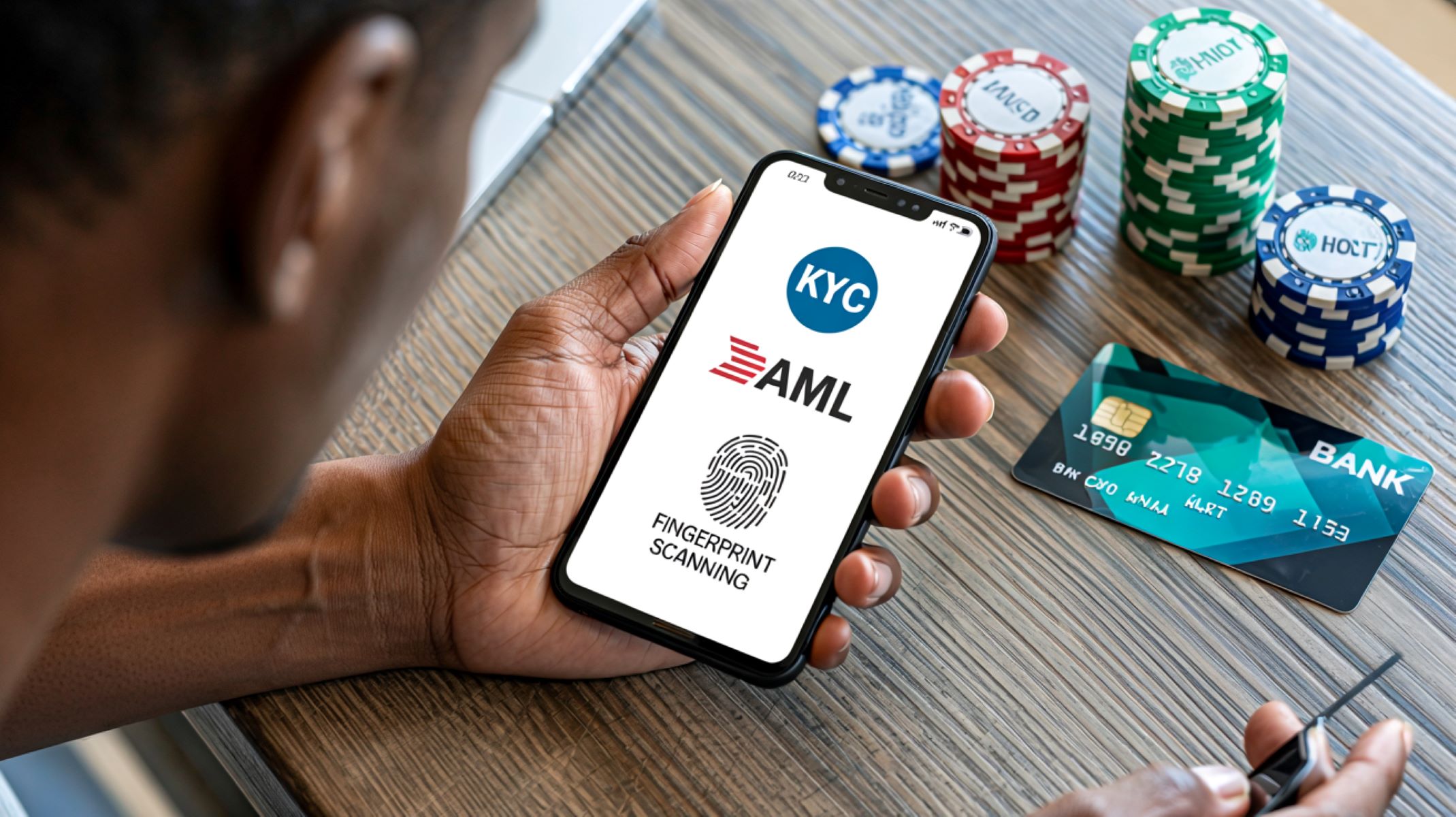
- Better Privacy and Anonymity: Offshore platforms often prioritize player privacy and allow anonymous or semi-anonymous gambling, which appeals to players who prefer discretion. Some sites don’t require extensive identity verification at early stages, unlike South African operators who are bound by strict KYC (Know Your Customer) laws.
The Pros of Offshore Gambling in South Africa
| Benefit | Details | Examples/Features | Comparison to Local Options | Player Impact |
| Wider Variety of Games & Markets | Offshore sites offer thousands of games and extensive betting options worldwide. | Slots (thousands), baccarat, roulette, blackjack variations, live dealer games, bingo, keno, international sports markets | Local casinos offer a limited selection of games and sports markets, mostly focused on South African or regional events | Players get more exciting choices, can bet on obscure sports, try unique games, avoiding boredom |
| Attractive Bonuses & Promotions | Generous welcome bonuses, free spins, cashback offers, and tiered loyalty programs | 100% welcome bonus up to $1,000 + free spins, weekly cashback up to 20%, VIP rewards | Welcome bonuses locally usually max at 50% up to ZAR 2,000, limited cashback and basic loyalty programs | More value and more chances to win, incentivizing longer play and bigger bankrolls |
| Enhanced Privacy & Security | Advanced encryption and privacy features to protect player data and anonymity | SSL encryption, anonymous play options, strict data protection policies | Local operators are regulated but may require more personal data due to KYC laws | Players concerned about privacy feel safer; reduced fear of local scrutiny |
| Convenience & Availability | Available 24/7 globally, accessible anywhere with internet, no regional or time restrictions | Mobile-friendly platforms, apps, no closing hours | Local casinos may have limited opening hours; some sportsbooks restricted to certain regions | Play anytime, anywhere — perfect for busy lifestyles or night owls |
| Higher Betting Limits & Flexibility | Offshore platforms often allow higher maximum bets and more flexible wager sizes | Bets well beyond local limits, supports professional or high-stakes gamblers | Local sites typically impose strict betting caps for risk management | High rollers and serious gamblers have freedom to bet bigger amounts and potentially win bigger prizes |
The Cons of Offshore Gambling in South Africa
One of the biggest challenges with offshore gambling for South African players lies in the uncertain legal landscape. South African gambling laws primarily regulate operators licensed within the country, which means offshore gambling sites operate outside this framework. Because these foreign platforms are not overseen by local authorities, players have little official protection if disputes arise. For example, if a site refuses to pay out winnings or suddenly shuts down, South African gamblers often find themselves with limited options to seek redress. This legal grey area can create significant unease, especially for those who prefer the reassurance of regulated and transparent environments.
Another major downside is the difficulty surrounding payments and currency exchanges. Offshore gambling platforms usually operate with currencies like the US dollar or euro, requiring South African players to convert their Rand before depositing. This process often comes with extra transaction fees and can cause delays in both deposits and withdrawals. Furthermore, many offshore sites don’t support popular local payment methods, forcing users to rely on international credit cards, e-wallets, or cryptocurrencies. While these methods offer some convenience, they can be complicated or inaccessible for many players, leading to frustration and potential barriers to smooth gambling experiences.
Communication can also be a stumbling block when dealing with offshore gambling operators. Customer support teams might not always offer assistance in South African English or be available during local time zones. This mismatch often results in longer wait times, misunderstandings, or difficulty resolving issues efficiently. For players who encounter technical problems or need clarification on terms and conditions, this language and time barrier can turn what should be a fun pastime into a stressful ordeal. Reliable and timely support is crucial, but offshore platforms sometimes fall short in this regard.
Lastly, the risk of encountering fraudulent or unlicensed operators is higher with offshore gambling. While many international platforms maintain reputable licenses and use certified fair gaming software, the internet also hosts many shady sites with questionable practices. Without local regulation, it becomes difficult to verify the legitimacy of these operators. Players face risks such as unfair game outcomes, refusal to process withdrawals, or even identity theft. Additionally, offshore sites may not provide responsible gambling tools mandated by South African law, such as deposit limits or self-exclusion options, which can increase the likelihood of problem gambling and addiction. This combination of factors makes it essential for players to exercise extreme caution when venturing into offshore gambling.
Weighing the Pros and Cons: What Should South Africans Consider?
- Legal Clarity Is Crucial: Understanding the legal status of offshore gambling in South Africa is essential. Because local laws primarily regulate domestic operators, playing on offshore platforms exists in a grey zone. It’s important to research whether using offshore sites could have legal consequences for you personally and how the law treats winnings or disputes from foreign platforms.
- Verify Licensing and Regulation: Before signing up on any offshore gambling site, check if it holds a valid gambling license from reputable authorities such as the Malta Gaming Authority, UK Gambling Commission, or Curacao eGaming. Licensed sites are usually more trustworthy, ensure fair play, and offer some degree of consumer protection, which is often missing in unregulated operators.
- Consider the Variety of Games and Markets: Offshore casinos typically offer a much broader selection of games and betting markets compared to local South African sites. However, more options aren’t always better if the platform isn’t reliable. Make sure the games you want to play come from reputable software providers and that the sportsbook covers the sports or events you’re interested in.
- Prepare for Currency Conversion and Fees: Since most offshore platforms operate in foreign currencies like USD or EUR, South African players need to convert their Rand when depositing or withdrawing funds. This can result in additional currency conversion fees, transaction charges, or unfavorable exchange rates that reduce your overall bankroll.
- Evaluate Payment Methods for Convenience and Safety: Offshore sites often accept credit cards, e-wallets, cryptocurrencies, and bank transfers, but not all of these options may be easy or accessible for South African players. Some payment methods might be slow or have high fees. Selecting a site that supports reliable, fast, and low-cost payment options that suit your needs is important.
- Look for Responsive and Multilingual Customer Support: Offshore gambling sites cater to global audiences, but not all offer customer support in South African English or operate within your time zone. Poor communication or slow response times can lead to frustration if you face technical problems or need account assistance.
How to Safely Engage in Offshore Gambling
| Safety Tip | Description | Examples/Details | Why It Matters | Player Benefit |
| Verify Licensing and Reputation | Always ensure the offshore gambling site holds a valid license from respected authorities. | Malta Gaming Authority (MGA), UK Gambling Commission (UKGC), Curacao eGaming. Also check player reviews and independent audits. | Licenses guarantee regulatory oversight and fair gaming practices. | Protects players from scams and ensures games are fair and payouts are reliable. |
| Use Trusted Payment Methods | Choose well-known and reliable payment gateways for deposits and withdrawals. | Visa, MasterCard, Skrill, Neteller, and cryptocurrencies with proven security. Avoid wire transfers or unknown services. | Trusted methods reduce risks of fraud, delayed payments, or lost funds. | Secure, faster, and hassle-free transactions for deposits and withdrawals. |
| Set Personal Limits | Establish your own deposit and loss limits to control gambling habits. | Use site tools to cap deposits, losses, and set time breaks during play sessions. | Helps prevent overspending and promotes responsible gambling. | Maintains control over gambling behavior, reducing addiction risks. |
| Stay Updated on South African Gambling Laws | Keep informed about any changes in local gambling legislation and regulations. | Follow updates from South African gambling authorities and legal news related to online and offshore gambling. | Legal landscape can change, affecting your rights and risks. | Avoids legal complications and helps make informed choices regarding offshore sites. |
Offshore Gambling vs. Local Gambling: A Quick Comparison
When comparing offshore gambling to local South African gambling, one of the most significant differences lies in regulation. Offshore gambling sites operate under the jurisdiction of various countries, and South African authorities do not regulate or oversee them. This lack of local oversight means that while some offshore operators are licensed and adhere to strict international standards, others may not offer the same level of protection or accountability. In contrast, local South African gambling is regulated by the National Gambling Board (NGB), which enforces strict rules to ensure fairness, security, and responsible gambling. This regulatory difference plays a major role in the safety and reliability of gambling platforms.
Game variety is another area where offshore platforms tend to outshine local options. Offshore casinos and sportsbooks provide access to an enormous array of games and international betting markets. Players can enjoy thousands of slots, various table games, and a wide range of sports from around the world, including niche or emerging markets. Meanwhile, local gambling sites generally offer a more limited selection, focusing mainly on games and sports popular within South Africa. This narrower focus can restrict player choice but aligns with regulatory guidelines designed to manage the local gambling industry responsibly.
Payment methods also vary significantly between offshore and local gambling. Offshore platforms commonly accept a broad range of payment options including international credit and debit cards, e-wallets like Skrill and Neteller, and increasingly, cryptocurrencies. This variety offers convenience and flexibility but can come with currency conversion fees and potential delays. Conversely, South African local sites usually rely on electronic funds transfer (EFT), local debit and credit cards, and a smaller selection of e-wallets, often resulting in smoother, faster transactions with fewer fees, but fewer global options.